
A Modern Renaissance: 1980 to the Present Day
Following the revival of the industry in the 1970s, Scottish soapmaking entered a new era characterised by a blend of traditional craftsmanship and modern sustainability.
The Global Growth of Scottish Fine Soaps
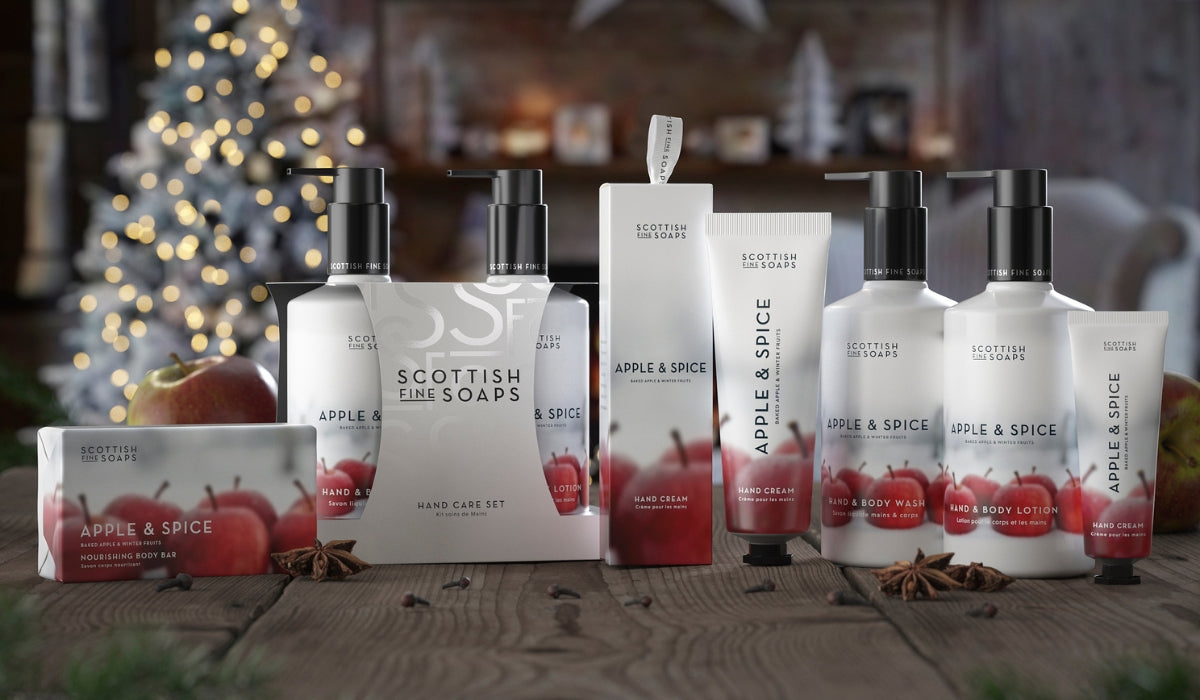
Since the 1980s, Scottish Fine Soaps has expanded from a local specialist into a global brand, now exporting to over 20 countries. Founded by Derek Ross in 1974, the company remains a family-owned business, now in its fourth generation.
- Manufacturing Excellence: 99.5% of products are still manufactured on-site at their factory in the Ochil Hills.
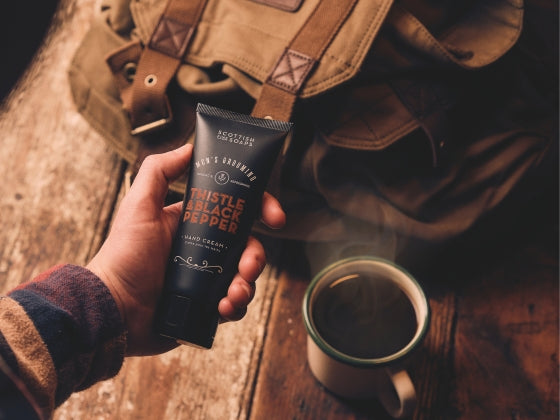
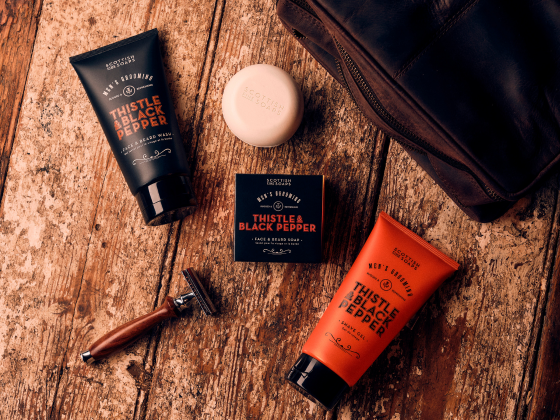
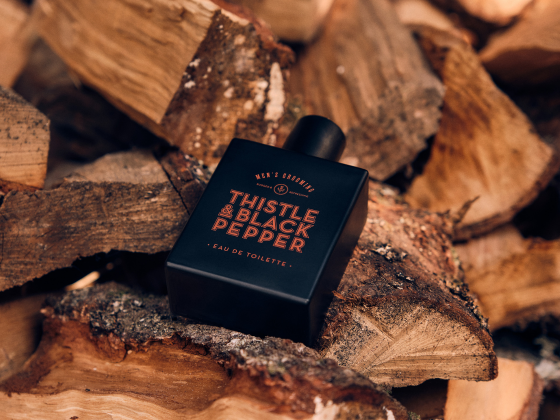
- Technological Evolution: While maintaining the traditional triple-milled process for soap bars, the company has diversified into luxury toiletries and liquid products, including a best selling Men's Grooming collection.
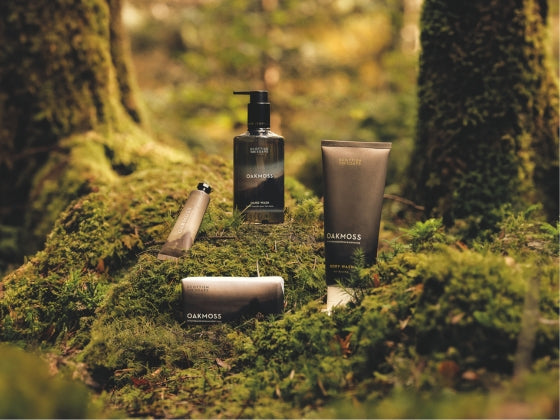
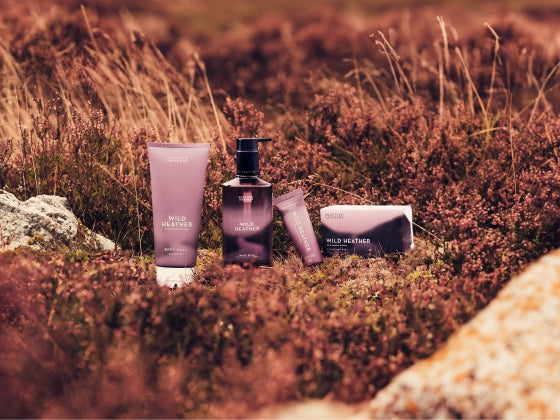
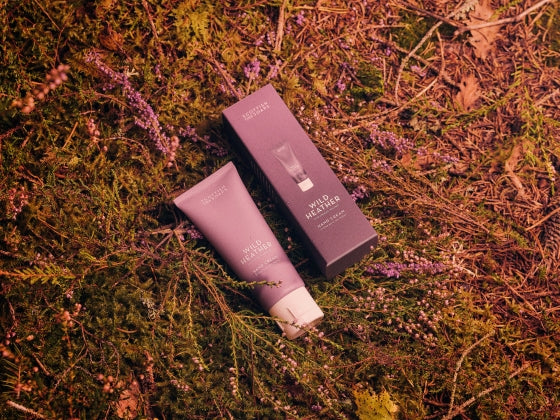
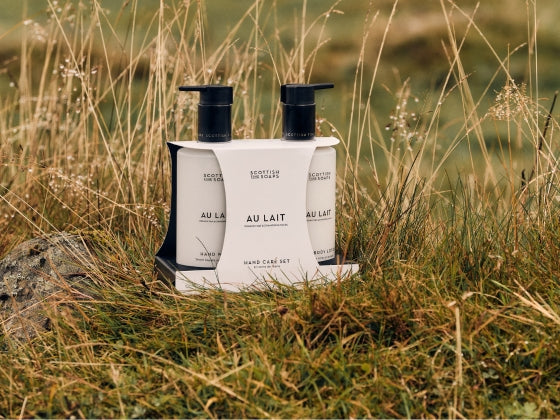
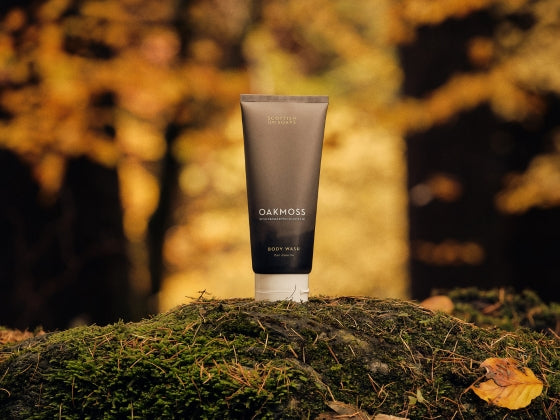
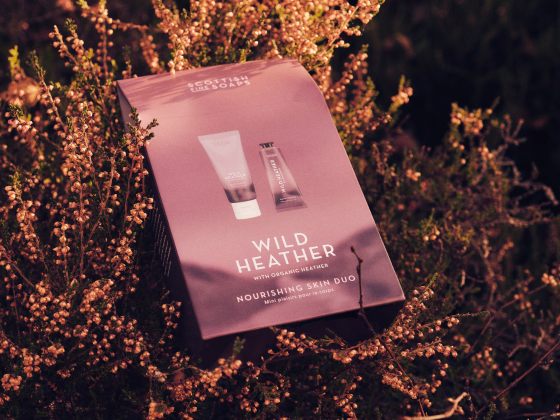
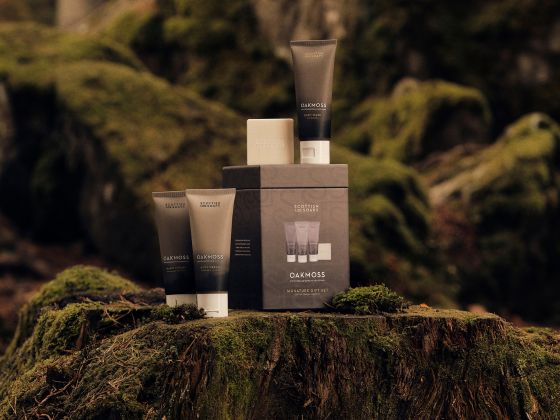
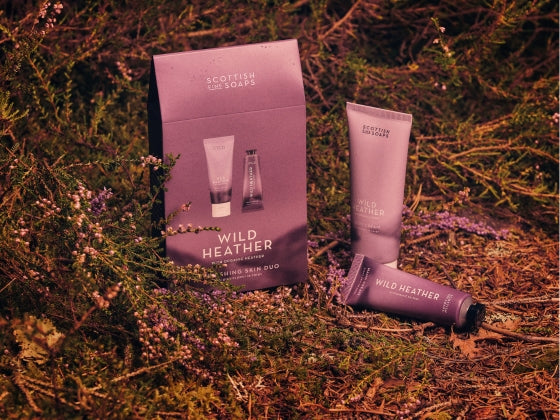
- 2025 Brand Refresh: To mark its 50th anniversary, the company introduced a new logo and stylish new product design, as well as two new collections, Oakmoss and Wild heather. It transitioned its iconic Au Lait collection to a vegan-friendly formula using Scottish oat and chamomile milks.
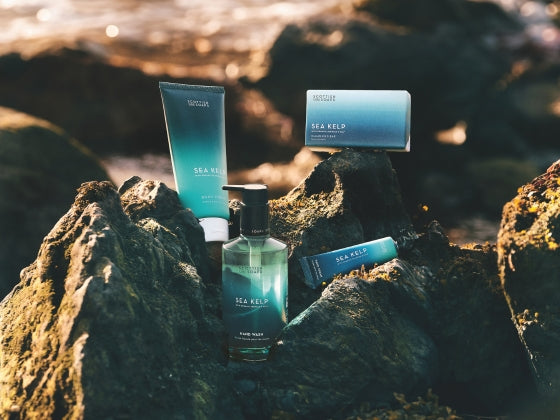
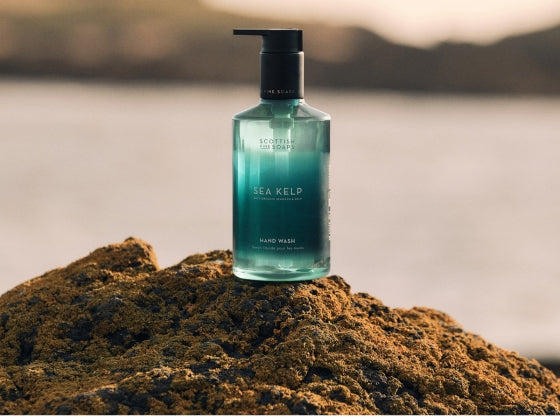
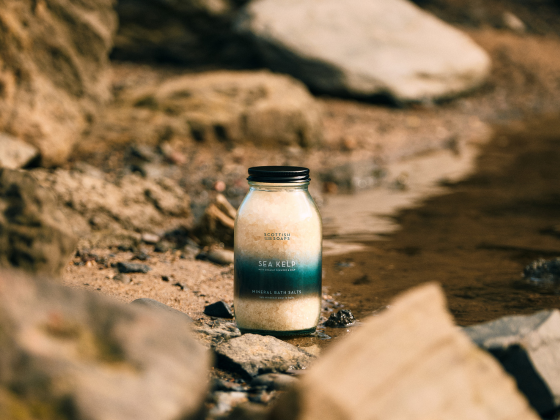
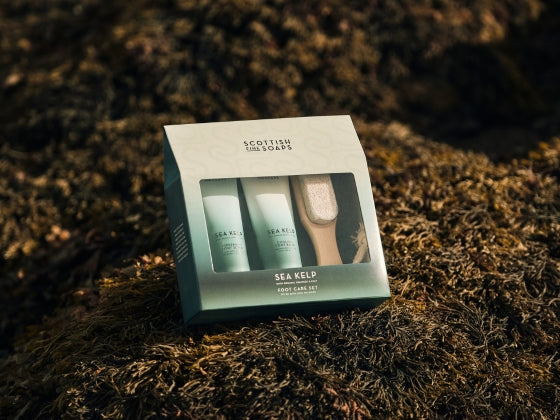
- Sustainability Focus: Modern collections like Sea Kelp utilise organic, locally sourced seaweed, reflecting a broader industry shift toward ethical and natural ingredients. Much of our packaging is now recyclable or reusable, and all new products are Vegan Friendly.

The Rise of Island and Highland Artisans
The success of Scottish Fine Soaps paved the way for other manufacturers to tap into Scotland's "brand" of purity and quality.
For example, there is Arran, Sense of Scotland. Founded in 1989 by Janet and Ian Russell, this brand began in a kitchen on the Isle of Arran. They stick to their island roots, with all products are still made on the island using mineral-rich Arran water.
Further north on the outskirts of Fort William, there is The Highland Soap Company, who focus on organic and sustainable skincare, using natural exfoliants and innovative packaging.

A Flourishing Artisanal Community
Today, Scotland is home to a vibrant ecosystem of smaller soapmakers, each bringing a unique twist to the craft: Siabann (Gaelic for "soap,") specialise in vegan-friendly products with thistle oil. Eco Soaps, based in Inverness, use Scottish cold-pressed rapeseed oil for sensitive skin. The Hebridean Soap Company specialise in hand-making natural soaps using traditional methods on the islands.

This modern landscape shows that while technology has advanced, the heart of Scottish soapmaking remains exactly where it started centuries ago: in the natural beauty and resources of the Scottish landscape.